
Paid acquisition gets a lot of attention because it is easy to measure. Organic traffic is harder — but it compounds. When it works, you are not renting attention; you are building an asset that keeps pulling visitors while you ship product.
This playbook is for founders, indie hackers, and niche operators who want a realistic path to organic growth without pretending SEO is magic. You will leave with a framework: intent → cluster → cadence → distribution → feedback. If you are earlier in the journey, pair it with our guide to SEO for startups for the founder-level playbook. Last refreshed April 21, 2026.
The math on organic in 2026. Google AI Overviews now appear in roughly 45% of searches and have reduced traditional site clicks by up to 58% (BrightEdge 2025; Advanced Web Ranking 2025). Brands are 6.5x more likely to be cited in AI answers via third-party sources than their own domains (Kevin Indig, 2025 analysis). Princeton’s GEO research (KDD 2024, Perplexity.ai) found that citations boost visibility +40%, statistics +37%, and expert quotations +30% — while keyword stuffing reduces visibility by 10%. The compound organic playbook below is designed to earn both classical rankings and AI-answer citations from the same asset.
Start with intent, not keywords
Keyword volume is a trap if you ignore intent. A high-volume term with informational intent rarely converts for a product page; a mid-volume term with commercial intent can pay rent for a year. Before you write, decide what winning looks like: trials, demos, newsletter signups, or affiliate revenue.
Growthrik AI is built to start from an outcome (for example, a monthly visitor target) and work backward into clusters you can win — not to chase vanity terms that your site cannot credibly rank for yet.
Build a cluster, not a pile of posts
Google rewards topical authority. That means a pillar page plus supporting articles that cover sub-intents, linked together in a way humans understand. Random one-off blogs rarely move the needle; a mapped cluster does.
For a deeper technical walkthrough, read keyword clustering with AI and our AI-driven SEO strategy for 2026.
Cadence beats hero content
Most teams fail because they publish in bursts. Search engines and audiences both reward predictable cadence. A sustainable rhythm — even two quality pieces per week — beats a monthly spike of five mediocre articles.
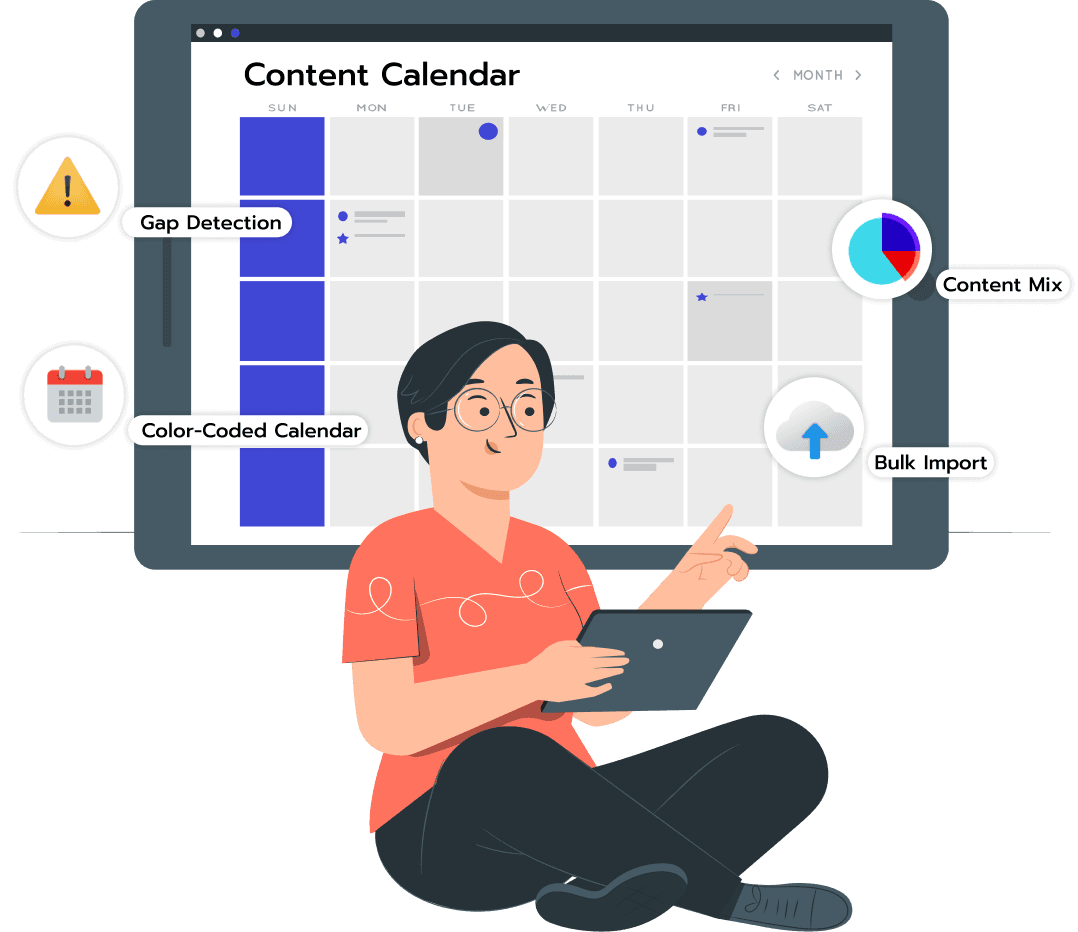
Pair cadence with a calendar system (see how to build a content calendar) so distribution is not an afterthought. For the full budget-aware version, read our content marketing for startups framework.
Distribution is not optional
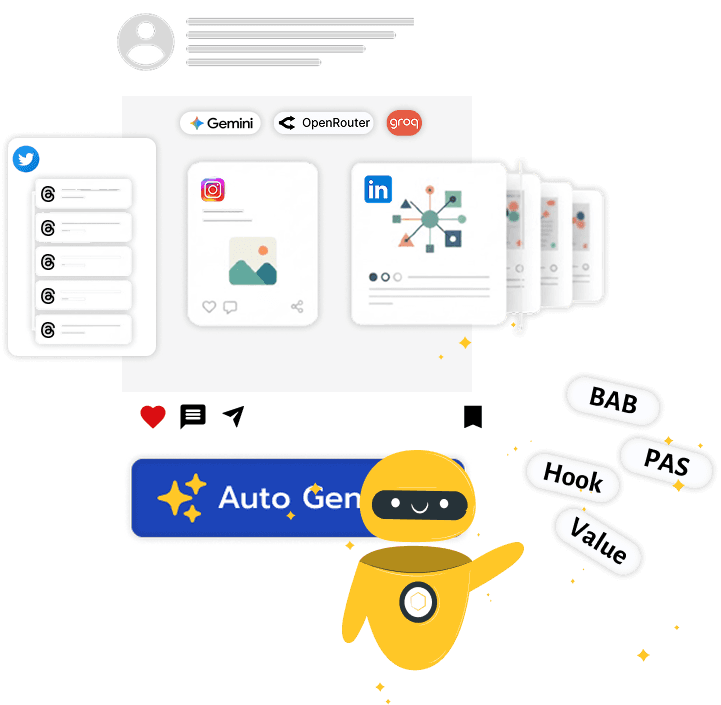
Publishing alone is not a strategy. Long-form work should atomize into short posts, threads, and emails. That is how you earn impressions while your pages climb. Read the content distribution loop for a channel-by-channel pattern.
Measure the right things early
Early on, impressions and clicks from Search Console matter more than vanity social metrics. Watch which queries surface, which pages earn clicks, and where people bounce. Feed that signal back into what you publish next — that is the compounding loop.
Where Growthrik AI fits
Growthrik AI is a growth engine: it helps you translate a traffic goal into a cluster map, a pipeline of briefs and drafts, and a distribution queue — so you are not stitching together a dozen single-purpose tools.
If you are comparing approaches, see ChatGPT vs purpose-built growth AI.
Key takeaways
- Pick commercial intent that matches your offer before chasing volume.
- Ship clusters with internal links — not disconnected articles.
- Keep a steady cadence; consistency beats spikes.
- Atomize long-form into channel-native snippets.
- Close the loop with Search Console and on-page engagement signals.